Choosing the right CRM for agencies is crucial in today’s digital landscape, where managing customer relationships and streamlining workflows can significantly impact success.
A well-selected CRM solution not only enhances efficiency but also empowers marketing teams to optimize their campaigns, improve sales processes, and foster deeper customer relationships.
In this article, we will explore the best CRM options available for agencies, their essential features, and how they can transform your agency’s operations.
Understanding What is CRM for Agencies?
CRM software for agencies is designed to enhance customer relationship management by offering tools tailored specifically to the needs of agencies. These systems help agencies organize client information systematically, track interactions, and manage projects effectively.
The best CRM for agencies combines a user-friendly interface with powerful analytics capabilities, enabling teams to make informed decisions based on data-driven insights.
By integrating various functions such as sales pipeline management and project tracking, CRM solutions streamline workflows, making it easier for agencies to focus on their core services.
Moreover, understanding the unique requirements of agencies is essential in selecting the best agency CRM software. Agencies often juggle multiple clients and projects simultaneously, necessitating a CRM tool that can handle a diverse range of tasks.
A comprehensive CRM solution allows for easy collaboration among team members while ensuring that important client data is readily accessible. As a result, agencies can enhance their operational efficiency, improve client satisfaction, and ultimately drive growth through effective customer relationship management.
How Can CRM Software Benefit Agencies?
CRM software has become essential for agencies looking to streamline their workflows and boost efficiency. Statistics show that implementing CRM tools can increase sales by up to 29% and enhance productivity by 34%.
These systems centralize client data and automate routine processes, allowing team members to focus more on strategic tasks and client service. This strategic approach helps agencies meet deadlines, exceed client expectations, and ultimately drive better business outcomes.
Stay tuned as we explore the specific benefits of CRM tools in streamlining workflows, enhancing sales and marketing campaigns, and integrating seamlessly with other business technologies to drive agency success.
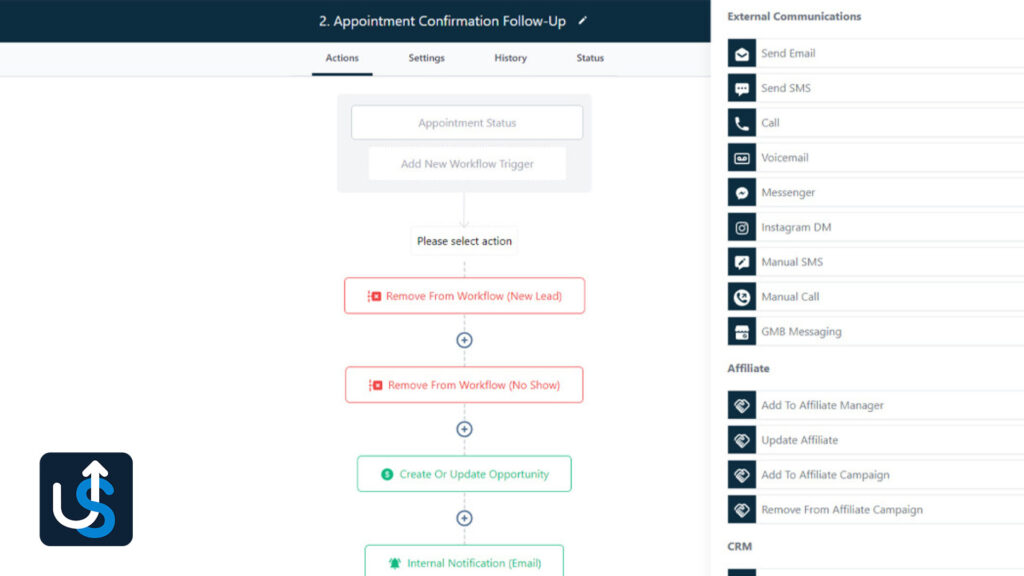
CRM tools are pivotal for improving agency workflows with features like workflow AI, and enhancing team efficiency by centralizing client data and automating routine processes. This allows for more focus on high-quality service delivery.
Effective CRM systems ensure project deadlines are met and client expectations surpassed, fostering enhanced collaboration and accountability through task assignments and progress tracking.
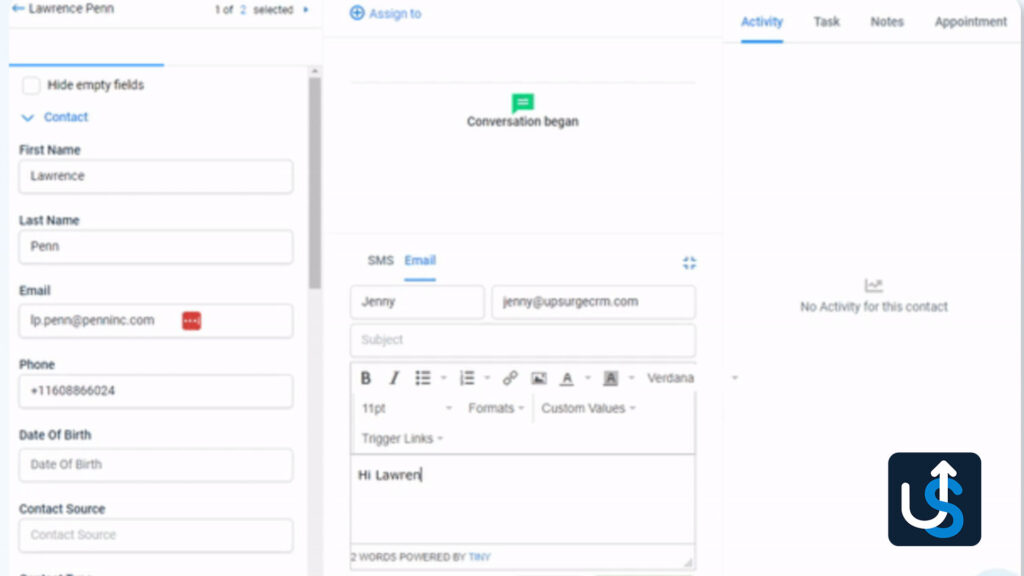
This streamlining results in better client communication and higher satisfaction rates by keeping all team members aligned on client needs and project updates.
Agencies report a 74% increase in customer satisfaction after CRM integration
Enhancing Sales and Marketing Campaigns:
CRM software is crucial in boosting agency sales and marketing efforts. It provides deep insights into customer behaviors and preferences, enabling the creation of targeted strategies that engage audiences effectively.
Implementing CRM can lead to a 300% improvement in lead conversion rates
CRM platforms offer powerful analytics to fine-tune marketing approaches, optimize resource allocation, and maximize ROI. Integration with email marketing and automation tools further enhances lead nurturing, significantly boosting conversion rates through personalized communication.
Integrating CRM Solutions for Improved Efficiency:
Integrating CRM with other business tools like project management software and financial platforms is vital for operational efficiency. This creates a unified system that reduces effort duplication and ensures consistent information access across teams.
A well-integrated CRM system allows agencies to analyze multi-channel performance and adapt strategies based on real-time data, driving better decision-making and competitive advantage.
Choosing the right CRM for agency needs is a critical decision that can significantly impact overall performance.
Here’s how to choose the right CRM for agency needs, with some key considerations:
Identify Specific Needs: Evaluate factors such as team size, client types, and project complexity. Understanding these specifics will guide the selection of a CRM that fits your agency’s unique requirements.
Compare Features and Usability: Analyze various CRM solutions focusing on their features, user interface, and overall ease of use. Each CRM tool has distinct functionalities that may or may not align with your operational workflow.
Check Pricing Models: Different CRMs come with varying pricing structures. Ensure the cost aligns with your budget and the value it offers in terms of features and scalability.
Utilize Free Trials: Most CRM providers offer free trials. Use these to test the software’s effectiveness in your daily operations before committing financially.
Evaluate Scalability: Ensure the CRM can scale with your agency’s growth. It should support increased demands without the need for frequent system changes, which can be costly and disruptive.
Assess Integration Capabilities: The chosen CRM should integrate seamlessly with other tools your agency uses, such as email marketing platforms and project management software.
What Features Should You Look For in a CRM Tool?
Let us now explore the essential features you should look for in a CRM tool to ensure it aligns with your agency’s goals and maximizes your team’s performance and client satisfaction.
Whether you’re looking to improve your sales pipeline management, enhance your marketing efforts, or streamline communication, the right CRM features can make a significant difference.
Sales Pipeline Management Features
Sales pipeline management is crucial for agencies focused on converting leads into clients. A well-designed CRM provides a clear overview of the sales process, allowing agencies to track lead status, manage opportunities, and identify bottlenecks.
CRMs can increase sales productivity by up to 34%, making them essential for maximizing sales potential
This organization ensures that no lead is overlooked, even in busy environments handling multiple clients. Effective pipeline management also fosters team collaboration, with everyone having access to up-to-date lead information.
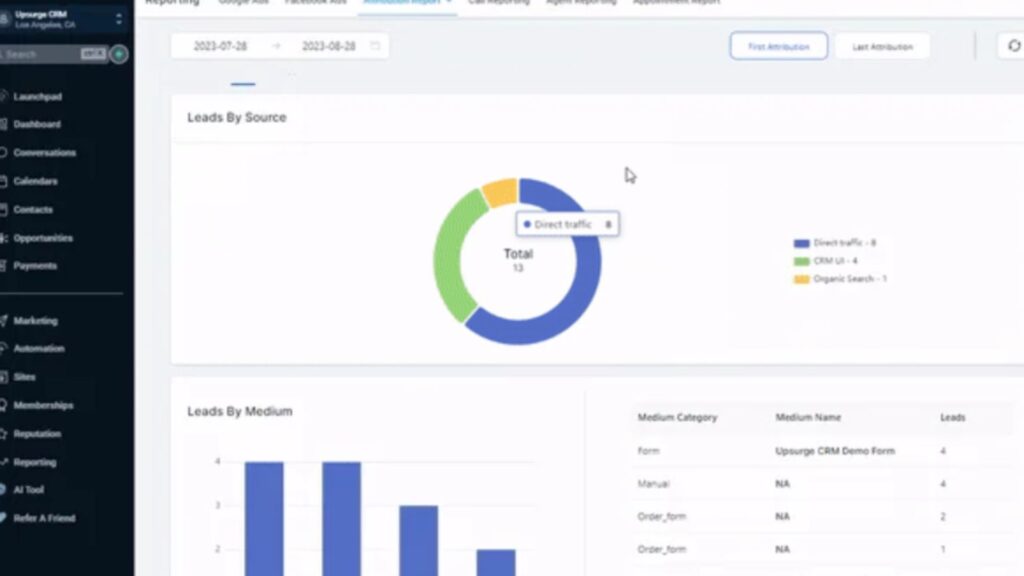
Strong analytics and reporting are vital features in a CRM tool. They allow agencies to track key performance indicators (KPIs) and generate insightful reports that guide decision-making.
Statistics show that companies using data-driven marketing are 6 times more likely to be profitable year-over-year
With real-time data on sales performance, campaign effectiveness, and client engagement, teams can quickly adjust strategies to improve efficiency. Customizable reporting options also let agencies focus on metrics that matter most to their business goals, leading to better outcomes.
Email Marketing and Automation Tools
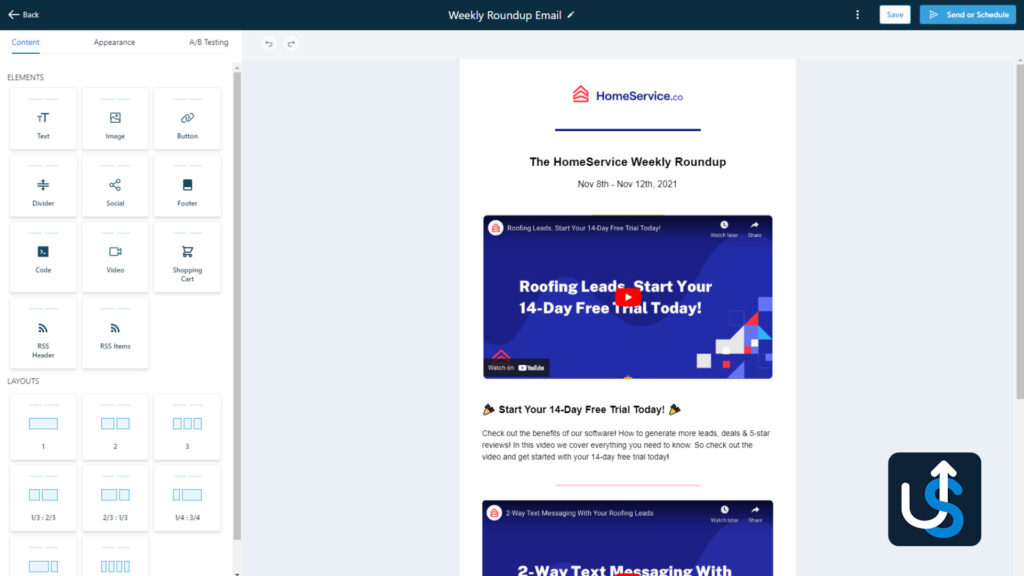
Email marketing and automation tools are essential for effective outreach and lead nurturing. These features allow agencies to automate campaigns, ensuring timely follow-ups without manual intervention.
Segmentation options enable personalized communication, enhancing engagement and conversion rates. Automated emails can generate 320% more revenue than non-automated ones. Advanced analytics also provide insights into campaign performance, helping agencies optimize their strategies.
Effective proposal management streamlines the creation, sending, and tracking of client proposals. A CRM with proposal management capabilities automates these processes, ensuring consistency and professionalism.
Tracking proposal status provides valuable insights into client engagement, allowing for timely follow-ups and increasing the chances of closing deals. Agencies that use CRM tools for proposal management see a 36% increase in deal closure rates.
Networking and Referrals
Networking and referrals are key to agency growth, and a good CRM facilitates these processes by tracking client interactions and identifying opportunities for referrals. Referrals are shown to generate 65% of new business for agencies, making this feature crucial for growth.
Agencies can build a strong referral network by leveraging existing clients, leading to increased brand awareness and new client acquisition. A CRM can also help manage outreach efforts, ensuring consistent communication with key contacts.
Resource allocation is critical for optimizing team productivity and ensuring quality service delivery. A CRM system allows agencies to manage resources efficiently by tracking project timelines, workloads, and team availability.
This oversight helps avoid overburdening staff and ensures that the right people are assigned to the right tasks. Effective resource management can increase project efficiency by up to 25%, directly impacting the agency’s overall success.
These features, supported by industry statistics, demonstrate the importance of selecting a CRM tool that aligns with your agency’s specific needs and goals. By focusing on these key areas, agencies can enhance their operations, improve client relationships, and drive business growth.
How to Implement CRM in Your Agency?
Implementing a CRM system in your agency requires careful planning and execution to ensure success.
Define Clear Objectives: Determine what you want to achieve with the CRM, such as improving client relationships, streamlining workflows, or enhancing sales processes.
Involve Your Team: Engage your team in the CRM selection process to ensure it meets their needs and is user-friendly. This collaborative approach encourages buy-in and smooth adoption.
Develop an Implementation Plan: Create a detailed plan outlining the steps for CRM deployment, including timelines, milestones, and responsibilities.
Conduct Training Sessions: Provide comprehensive training for all team members to ensure they understand how to effectively use the CRM’s features.
Start with a Pilot Program: Test the CRM with a smaller team or a specific department before a full-scale rollout. This helps identify potential challenges and allows for adjustments before wider adoption.
Monitor and Adjust: Continuously monitor the CRM’s performance and gather feedback from users to make necessary adjustments and improvements as needed.
Upsurge CRM: The Ultimate CRM for Agencies
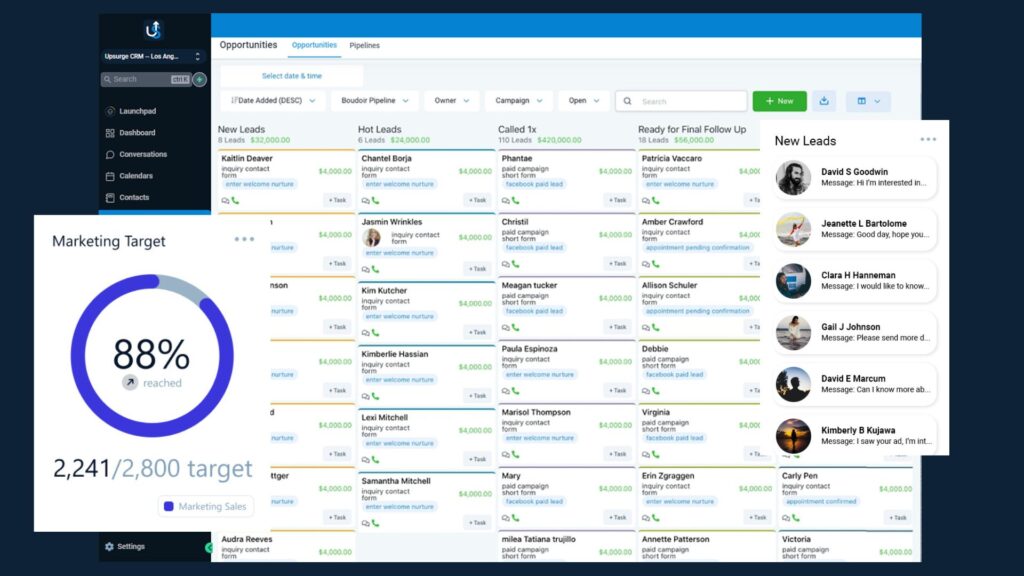
When it comes to selecting the right CRM for your agency, Upsurge CRM stands out as a top choice. Designed specifically with agencies in mind, Upsurge CRM offers a comprehensive suite of features tailored to streamline operations, enhance client relationships, and drive business growth.
Upsurge CRM understands the unique challenges agencies face, from managing multiple clients and projects simultaneously to ensuring effective communication across teams. Our platform is built to handle these complexities with ease, offering a user-friendly interface that simplifies daily tasks.
Advanced Sales Pipeline Management:
Our CRM system offers a clear and detailed view of your sales pipeline, helping you track leads, manage opportunities, and identify bottlenecks. This level of organization ensures that no lead is overlooked, maximizing your agency’s potential for client acquisition and revenue growth.
Upsurge CRM provides robust analytics and reporting capabilities that allow agencies to track key performance indicators (KPIs) and make data-driven decisions. With real-time insights into sales performance, campaign effectiveness, and client engagement, your team can quickly adapt strategies to stay ahead of the competition.
Seamless Integration and Automation:
Upsurge CRM integrates effortlessly with other business tools, including project management software and email marketing platforms. Automation features streamline repetitive tasks, such as follow-ups and email campaigns, allowing your team to focus on strategic initiatives.
Customizable and Scalable:
As your agency grows, so should your CRM. Upsurge CRM is designed to scale with your business, offering customizable features that adapt to your evolving needs. Whether you’re a small agency just starting out or a large firm handling numerous clients, Upsurge CRM can support your journey.
Dedicated Support and Training:
Tailoring its system to meet the specific needs of B2B companies, UpsurgeCRM offers robust lead management features, including the ability to capture, track, and qualify leads from various sources efficiently.
We understand that transitioning to a new CRM system can be challenging. That’s why Upsurge CRM offers comprehensive training and ongoing support to ensure your team is fully equipped to leverage all the platform’s features effectively.
For more details on how Upsurge CRM can transform your agency’s operations and boost your business growth, visit our page on CRM for Agencies or explore our full range of services at Upsurge CRM.
By choosing Upsurge CRM, you are investing in a solution that not only meets your current needs but also positions your agency for long-term success in an increasingly competitive market.
Conclusion
Choosing the right CRM for your agency is more important than ever. A well-implemented CRM solution can transform how your agency manages client relationships, streamlines workflows, and drives growth.
By focusing on key features like analytics, sales pipeline management, and integration capabilities, you can select a CRM that not only meets your current needs but also scales with your agency’s future growth.
Upsurge CRM is uniquely designed to meet these demands, offering a tailored solution that combines powerful features with user-friendly design and scalability. With Upsurge CRM, Your agency can improve efficiency, enhance client satisfaction, and stay ahead in a competitive market.
Ready to take your agency’s operations to the next level? Contact us today to learn more about how Upsurge CRM can support your business goals and help you achieve long-term success.