In the intricate world of accounting, efficient client relationship management is a cornerstone of success. This is where Customer Relationship Management (CRM) software becomes essential, particularly for accounting firms grappling with the unique challenges of managing extensive financial data, adhering to strict compliance standards, and providing personalized client services.
This article explores the transformative impact of CRM systems in accounting, highlighting how they address industry-specific challenges and enhance overall client management, with a particular focus on the tailored features of UpsurgeCRM.
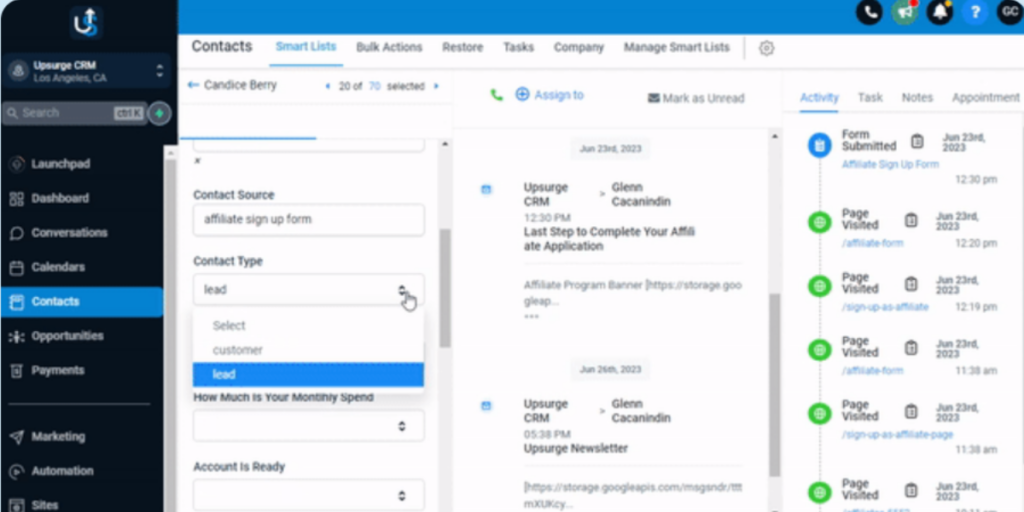
In the complex and rapidly evolving world of accounting, the need for efficient and effective client relationship management cannot be overstated. This is where Customer Relationship Management (CRM) software steps in as an indispensable tool. At its core, a CRM system is designed to manage, analyze, and improve interactions with current and potential clients, streamlining a business’s relationship and engagement strategies. The core functions of a CRM include contact management, interaction tracking, lead management, workflow automation, and reporting and analytics.
Accounting firms, in particular, face unique challenges when it comes to managing client relationships. These include handling a vast array of financial data, adhering to stringent compliance standards, managing recurring billing cycles, and providing personalized financial advice. The sensitivity and confidentiality of financial data add another layer of complexity to these challenges. Moreover, the competitive nature of the accounting industry necessitates a more strategic approach to client retention and acquisition.
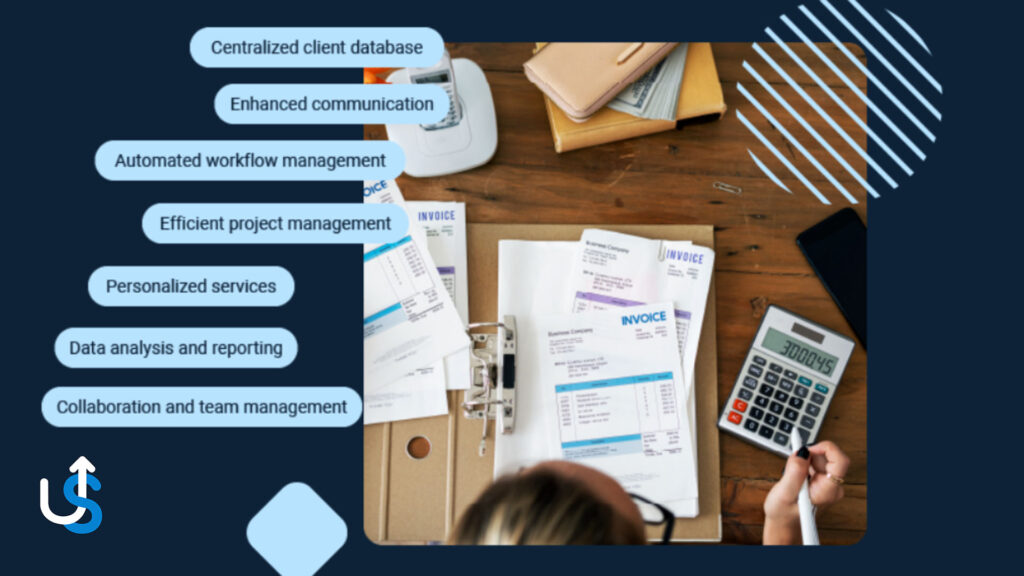
Implementing a CRM system in an accounting firm brings forth numerous benefits. Firstly, it offers a centralized repository for client data, ensuring that all information is accessible and organized. This centralization is crucial for maintaining accuracy and consistency in client interactions. Secondly, CRM software facilitates enhanced communication with clients through automated reminders, personalized messaging, and efficient tracking of client queries and concerns. This leads to improved client satisfaction and loyalty.
Furthermore, a CRM system aids in the efficient management of the sales pipeline, from lead generation to conversion. This is particularly beneficial for accounting firms looking to expand their client base. The automation of routine tasks allows accountants to focus more on strategic activities rather than administrative tasks. Lastly, advanced CRM solutions provide insightful analytics, enabling firms to make data-driven decisions for business growth and service improvement.
In summary, the adoption of a CRM system is a strategic move for accounting firms aiming to enhance client management, improve operational efficiency, and drive business growth. By addressing the specific challenges faced in the accounting sector, a CRM system not only streamlines processes but also opens avenues for better client engagement and service delivery.
The realm of traditional client management, particularly in accounting firms, is often fraught with inefficiencies and challenges that can impede the smooth operation of the business and the quality of client service.
One of the primary challenges faced by accounting firms is the disparate nature of their systems. Client information might be spread across various databases, spreadsheets, email systems, and paper files. This fragmentation makes it difficult to organize and access information efficiently. When accountants need to retrieve specific client data, they may find themselves navigating through a labyrinth of files and systems, leading to delays and potential errors.
Without a centralized system, many accounting firms still rely on manual processes for communication with clients and task management. This includes manually updating client records, sending emails, scheduling appointments, and tracking deadlines. These processes are not only time-consuming but also increase the likelihood of human error, such as missed emails or overlooked appointments, which can adversely affect client relationships.
Traditional methods often fail to provide a comprehensive view of client interactions. Accounting professionals might struggle to track the history of communications, meetings, and documents shared with a client. This lack of visibility can lead to inconsistencies in client handling, especially when multiple team members are involved. It becomes challenging to provide personalized and informed service when you don’t have a complete picture of past interactions.
In the absence of a systematic approach, lead generation and follow-up can be haphazard and inefficient. Without a CRM, tracking potential clients, their interests, and their interactions with the firm can be disorganized. Follow-ups might be delayed or forgotten, leading to missed opportunities. In a competitive industry like accounting, failing to efficiently engage and convert leads can be a significant disadvantage.
Traditional client management methods often fall short in building strong, long-lasting client relationships. The personalized attention and proactive service that foster client loyalty are difficult to maintain when processes are manual and information is scattered. In an era where client experience is paramount, the inability to efficiently manage and nurture relationships can hinder an accounting firm’s growth and reputation.
In summary, the traditional approaches to client management in accounting firms are beset with challenges that range from inefficiencies in data handling and communication to missed opportunities in client relationship building. These pain points underscore the need for a more integrated, streamlined approach to managing client interactions and data.
Accounting firms can greatly benefit from utilizing a CRM platform to help manage their client relationships, streamline their sales process, and stay on top of important tasks. Whether you are a CPA firm or a small accounting practice, having a reliable accounting CRM software is essential in today’s fast-paced business world. With the right CRM tool, such as UpsurgeCRM, HubSpot CRM or QuickBooks, accountants can improve client management, boost sales and growth, and build stronger relationships with their clients.
Boosting Sales and Growth: Implementing a CRM platform can also help accounting firms boost their sales process and drive growth. By utilizing features such as lead tracking, pipeline management, and sales forecasting, accountants can identify potential opportunities, nurture leads, and ultimately close more deals. This not only increases revenue but also helps the firm expand and thrive in a competitive market.
Building Stronger Relationships: One of the key benefits of using a CRM for accounting firms is the ability to build stronger relationships with clients. By offering personalized communication, timely follow-ups, and exceptional customer support, accountants can establish trust and loyalty with their clients. This not only enhances the client experience but also leads to long-term partnerships and referrals.
Improved Client Management: A CRM software solution can help accountants effectively manage their clients’ information, track interactions, and stay organized. By using a CRM for accountants, accounting firms can easily access client details, keep track of deadlines, and send out invoices in a timely manner. This not only improves efficiency but also enhances client communication and satisfaction.
Overall, a CRM for accounting is a powerful tool that can help accounting firms streamline their operations, improve client relationships, and drive growth. Whether you choose UpsurgeCRM, HubSpot CRM, Zoho CRM, or another popular accounting CRM platform, investing in the best CRM for accountants is essential for staying competitive and successful in the ever-evolving accounting and bookkeeping industry.

Selecting the right CRM for accounting firms seeking to enhance their client management and grow their business. Here are some key aspects to consider:
Customization: The CRM should be customizable to fit the specific needs and processes of your accounting firm. Look for options that allow you to tailor fields, workflows, and reports.
Ease of Use: User-friendliness is vital. A CRM with an intuitive interface ensures that your team can adopt it without a steep learning curve.
Data Security: Given the sensitive nature of financial data, the chosen CRM must have robust security features to protect client information.
Compliance Features: Ensure the CRM complies with relevant industry regulations, such as those related to data protection and privacy.
Analytics and Reporting Tools: The ability to generate insightful reports and analytics is essential for tracking performance and making data-driven decisions.
Seamless Integration: The CRM should seamlessly integrate with your existing accounting software and tools. This integration streamlines processes and ensures data consistency.
Data Syncing: Look for a CRM that offers real-time data syncing with your accounting software, reducing the need for manual data entry.
Plugin and API Support: Consider CRMs that support plugins or have APIs for easy integration with other tools used by your firm.
Scalability: Choose a CRM that can grow with your firm. It should be able to handle an increasing number of clients and data without performance issues.
Pricing Structure: The CRM’s pricing should align with your firm’s size and budget. Consider whether a subscription model or a one-time purchase makes more sense for your firm.
Trial Periods and Demos: Many CRM providers offer free trials or demos. Use these to evaluate how well the CRM fits your firm’s needs before making a commitment.
In the vast sea of CRM options, UpsurgeCRM stands out as a particularly compelling choice of CRM for accounting firms. Designed with the specific needs of accountants and CPA firms in mind, UpsurgeCRM offers a unique blend of functionality, customization, and user-friendliness.
Tailored for the Accounting Industry: UpsurgeCRM is built to cater specifically to the workflow and data management needs of accounting firms. This specialization means that the features and tools are finely tuned to support the intricacies of accounting work, from client data management to financial reporting.
Seamless Integration with Accounting Software: One of UpsurgeCRM’s standout features is its seamless integration with popular accounting software. This integration ensures that financial data flows smoothly between systems, reducing manual data entry and increasing accuracy.
Customization and Flexibility: Understanding that no two accounting firms are alike, UpsurgeCRM offers high levels of customization. Firms can tailor the CRM to their specific processes and client management styles, ensuring a perfect fit for their business model.
Streamlined Client Management: From managing client interactions to automating reminders for important deadlines, UpsurgeCRM streamlines every aspect of client management. This efficiency allows accounting firms to focus more on strategic activities and less on administrative tasks.
User-Friendly Interface and Robust Support: With a focus on user experience, UpsurgeCRM boasts an intuitive interface that minimizes the learning curve for new users. Combined with robust customer support and training resources, accounting firms can transition to UpsurgeCRM with confidence.
Advanced Security Features: Given the sensitive nature of financial data, UpsurgeCRM places a strong emphasis on security. The platform is equipped with advanced security features to protect client information and ensure compliance with data protection regulations.
Cost-Effective and Scalable: UpsurgeCRM is designed to be both affordable and scalable, making it a suitable choice for accounting firms of all sizes. Whether you’re a small boutique firm or a large enterprise, UpsurgeCRM can adapt to your evolving needs.
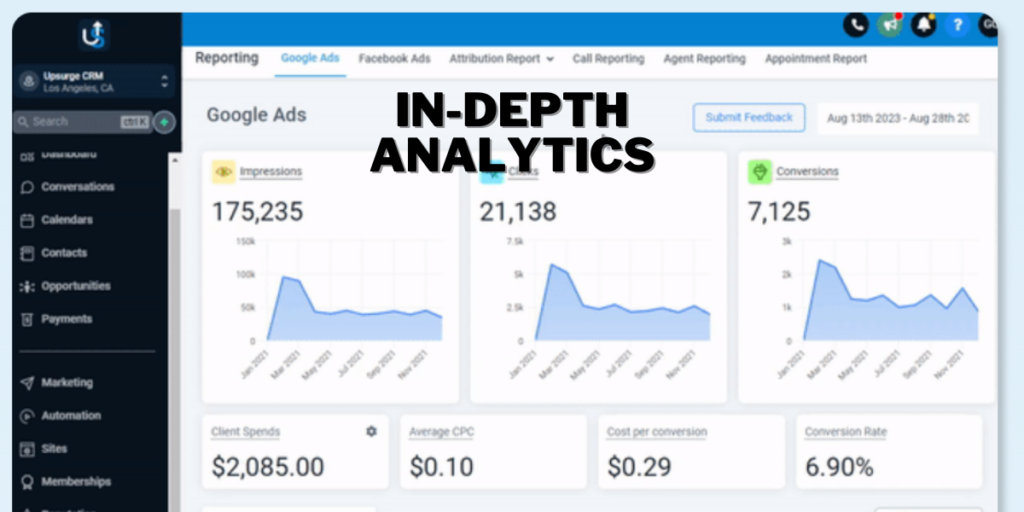
In-Depth Analytics for Informed Decisions: The CRM also provides powerful analytics tools, enabling firms to gain valuable insights into client behaviors and preferences. These insights can inform business strategies and help in identifying new growth opportunities.
UpsurgeCRM emerges as a top contender for accounting firms seeking a comprehensive, industry-specific CRM solution. Its blend of functionality, ease of use, and dedicated support makes it an ideal choice for firms looking to enhance their client management and drive business growth. For more information, visit UpsurgeCRM for Accounting Firms.
The integration of a Customer Relationship Management (CRM) system within an accounting firm represents more than just a technological enhancement; it marks a pivotal shift towards a more client-centric and efficient operational model. As explored throughout this article, the challenges of traditional client management in the accounting industry – ranging from disorganized client data to inefficient lead management and communication processes – highlight the need for a more cohesive and automated approach.
Ready to revolutionize your accounting firm’s operations? Take the next step towards efficiency and growth by exploring UpsurgeCRM today. Schedule a personalized demo and see how UpsurgeCRM can elevate your client management experience to new heights.
The Real Benefits of Contact Management with CRM for Collecting Customer Data Managing and leveraging customer information has become a foundational aspect of success…
Can a CRM Really Automate My Sales Follow-Ups and Boost My Small Business Revenue? Small businesses face increasing pressure to maintain consistent communication with…
Best CRM Software for Sales Prospecting: Transform Your Sales Prospecting Struggling to turn cold leads into paying customers? You’re not alone. In today’s competitive…