CRM for freelancers has become an indispensable ally in freelancing, where the fusion of exceptional talent and strategic management determines success. The modern freelancer, who embodies both service provider and entrepreneur, must adeptly navigate client acquisition, project execution, and business growth. Amidst this multifaceted role, Customer Relationship Management (CRM) is a transformative approach that streamlines operations, nurtures client relationships, and amplifies efficiency for independent professionals.
In this blog, we dive into the multifaceted benefits of CRM systems and explore how they can revolutionize the freelance business model. We’ll cover how CRM strategies can manage client engagement, enhance client relationship management, streamline project management, and optimize time. Furthermore, we’ll discuss how CRM tools help in identifying growth opportunities, overcoming common challenges, and ultimately, why integrating CRM into your freelance workflow is not only beneficial but essential for staying competitive.
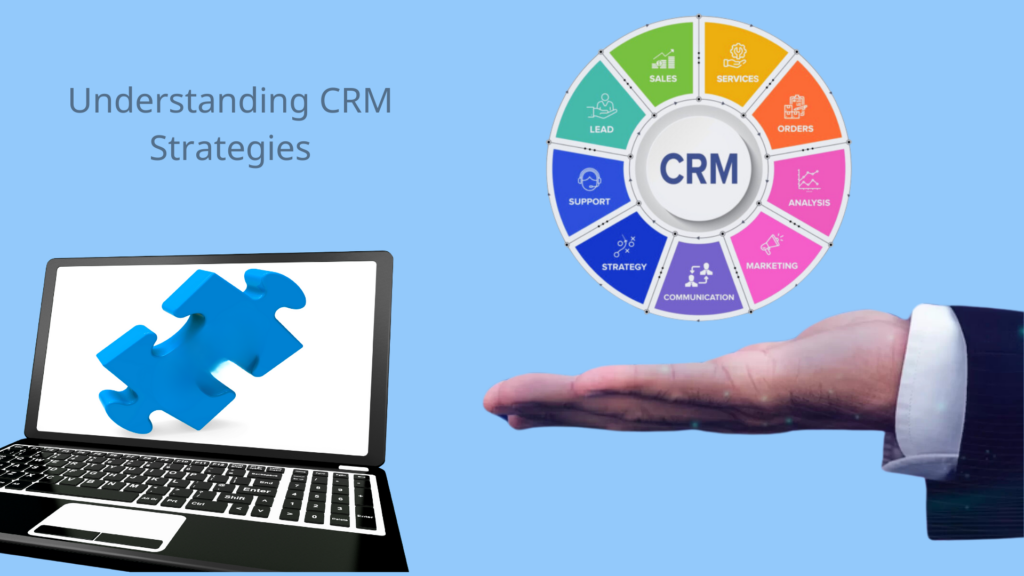
Understanding CRM Strategies
CRM strategies transcend the basic concept of a digital Rolodex. They encompass a suite of technology-driven methods to manage all facets of client engagement within a freelance business. Mastering CRM strategies implicates a profound comprehension of the customer’s journey—from the initial contact to the final handshake of project completion. A robust CRM system aligns a freelance business’s many moving parts, efficiently managing potential leads in the sales pipeline and analyzing post-project feedback, paving the way for a sustainable workflow.
Utilizing CRM to Maintain Client Profiles and Preferences
Data power informed decision-making. CRM software allows freelancers to maintain detailed client profiles, cataloging preferences, past projects, and communication logs. This essential contact management capability enables freelancers to deliver a customized service. A freelancer, for example, may use this data to elevate the relevance of future proposals, enhancing their pitch’s appeal.
Implementing Automated Communication Systems
CRM systems often include automated communication features that streamline client interactions. Through automated workflows, freelancers can manage invoices, schedule project updates, and send follow-up messages for potential repeat business. By automating these processes, freelancers can recapture valuable time each week, redirecting it toward income-generating activities or strategic planning.
Personalizing Client Interactions with CRM Data
A CRM brimming with client data is a veritable treasure trove for personalization. Access to past interaction history and preferences enables freelancers to tailor their communications to each client, enhancing client satisfaction and bolstering retention rates and referrals—vital for a thriving freelance practice.
Streamlining Project Management
Organizing Tasks and Deadlines with CRM Tools
Effective project management is about balancing time, resources, and client expectations. CRM solutions are equipped with tools to organize and prioritize tasks, delineate project phases, enforce deadlines with automated reminders, support freelancers in preventing project overruns, and ensure that deliverables are consistently on point and on time.
According to PwC, 97% of organizations believe project management is critical to business performance and success. Therefore, it’s no surprise that CRM tools are invaluable for task organization and deadline management. By implementing CRM task management features, freelancers mitigate the risk of project overruns and ensure consistent and timely deliverables.
CRM platforms often feature project tracking modules that provide a bird’s-eye view of ongoing projects. Freelancers can set and monitor milestones, offering transparency that fosters client confidence and a collaborative environment where feedback is timely and actionable.
Project progress tracking within CRM systems is essential. The report states that 70% of projects meet their goals and business intent when backed by reliable project performance tracking tools, which are often integrated into CRM platforms.
Collaborating with Clients and Team Members through CRM Platforms
CRM platforms are centralized hubs for collaboration among freelancers, associates, and outsourced specialists. This collective access to schedules, documents, and communication streamlines coordination, ensuring everyone is aligned with the project goals and timelines.
Improving Time Management
Managing Freelance Schedule and Workload with CRM
CRM calendaring and scheduling features allow freelancers to manage their commitments effectively, preventing conflicts and ensuring adequate time allocation for each project. A well-organized CRM calendar is also crucial for carving out time for business development, personal growth, and downtime.
Automating Administrative Tasks to Save Time
CRM automation capabilities handle routine administrative tasks—such as data entry, report generation, and invoice tracking—that, while necessary, do not directly contribute to a freelancer’s revenue.
CRMs offer built-in analytics and reporting tools that can reduce the time spent finding client data by 40%. Freelancers can harness these tools to optimize their schedules and focus on high-value work.
Utilizing CRM Reports and Analytics for Time Optimization
CRM reporting and analytics tools provide visibility into how and where time is spent. By using these insights, freelancers can refine their operations, spotting inefficiencies and patterns in client engagement that inform more efficient practices.
Maximizing Revenue and Growth Opportunities
When it comes to case management in law firms, the choice of CRM software can make a significant difference. UpsurgeCRM stands out as a leading solution, offering law firms a comprehensive and customized approach to managing their client relationships and case workflows. Below we explore why UpsurgeCRM is the best choice for law firms looking to enhance their case management capabilities.
Identifying Upselling and Cross-selling Opportunities with CRM
CRM systems with detailed client histories and past projects can reveal opportunities for upselling or cross-selling additional services. Freelancers can then offer value-added services or products that seamlessly fit into the client’s existing or future needs, driving incremental revenue.
Leveraging CRM Insights for Targeted Marketing Campaigns
CRMs empower freelancers with data for targeted marketing campaigns. Segmenting the client base and crafting personalized campaigns allows freelancers to deliver content that resonates with specific audiences, increasing marketing efficacy and conversion rates.
Analyzing Client Feedback and Adjusting Services for Improved Revenue
CRM solutions are integral to service refinement and innovation as a repository for client feedback. By analyzing feedback, freelancers can adapt their offerings to align with market demands and client expectations, fostering client loyalty and attracting new business.
Implementing a new CRM system can be daunting, with challenges like data migration and mastering complex features. Freelancers must approach CRM implementation with a strategic plan—identifying core needs, selecting an appropriate CRM, and investing time in learning the system.
Strategies for Overcoming Resistance to CRM Adoption
Resistance to new technologies is often due to discomfort with the unfamiliar. Freelancers can mitigate this by breaking down CRM implementation into manageable steps and initially focusing on basic functionalities before exploring more advanced features.
Resistance to new technology can be significant, with a mere 18% adoption rate for new software across industries. By segmenting CRM training into manageable steps, freelancers can ease this transition and maximize the use of their chosen system.
In an era of frequent data breaches, choosing a CRM with robust security features is crucial. Freelancers must ensure their CRM solution has robust security protocols to safeguard client data.
Conclusion
Investing in a CRM can unlock unprecedented levels of efficiency for freelancers. Freelancers can achieve a more organized, productive, and profitable business by enhancing client relationship management, streamlining project management, and improving time management. The digital transformation of the freelance industry is underway, and CRM is at its forefront. Freelancers who embrace CRM strategies can optimize their day-to-day operations and build a foundation for sustainable growth and success.
As freelancing continues to grow as a viable and respected career path, CRM’s role in managing and scaling freelance businesses becomes increasingly vital. The future promises CRM solutions more attuned to freelancers’ unique challenges, providing streamlined, secure, and sophisticated tools to thrive in a competitive marketplace. For freelancers ready to elevate their business, CRM is not just an option but the way forward. Sign up for a free trial and experience the difference that a dedicated CRM for freelancers can make. Elevate your freelance journey with Upsurge CRM because our mission is your success.